
Find a Trusted Roof Replacement Service Near Me
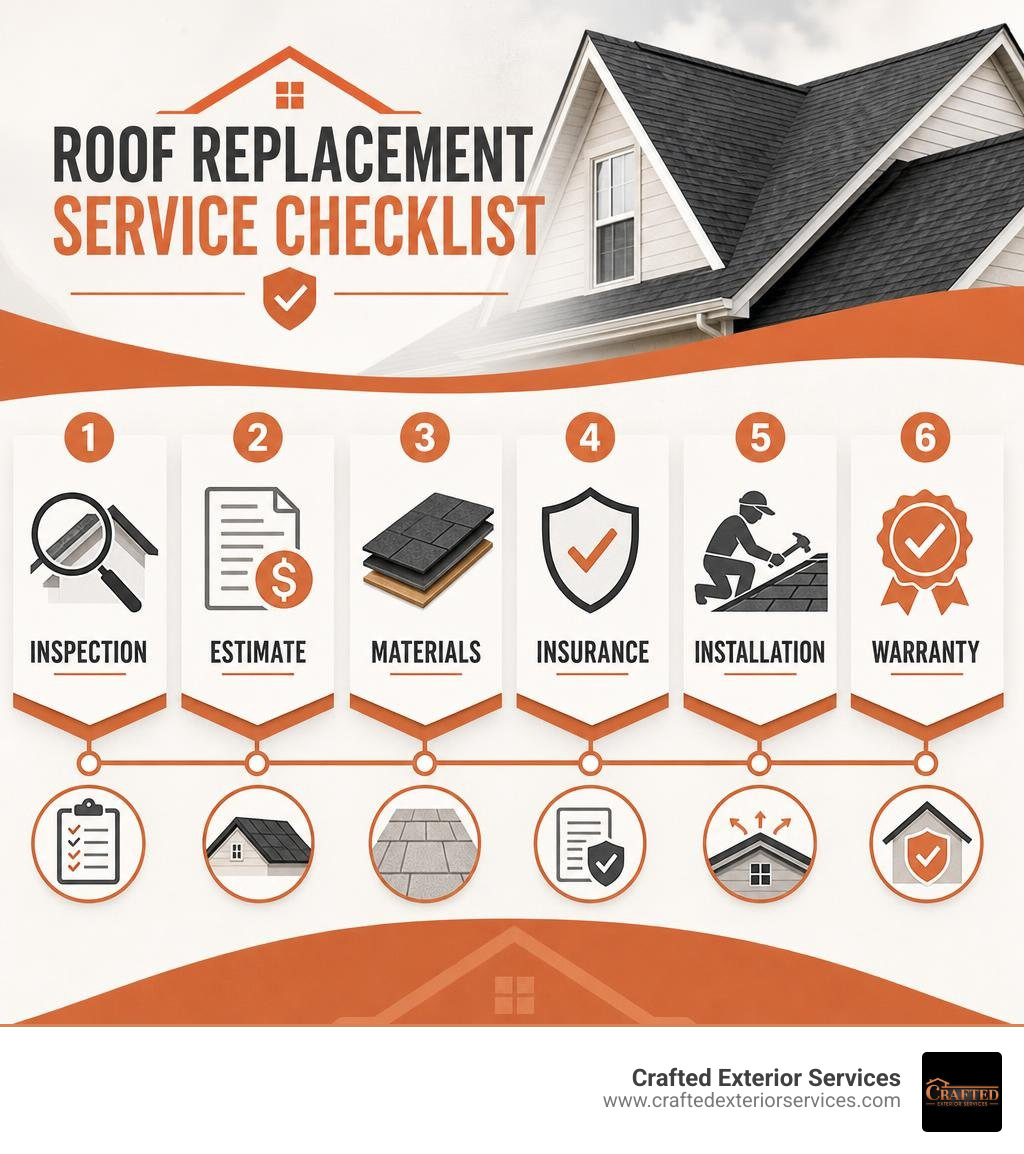
A roof replacement service near me should give you a clear inspection, a written estimate, and a plan built for Martinsburg weather – not a quick patch that leaves the real problem behind.
For a fast way to narrow your local options, look for a contractor that:
- Inspects shingles, flashing, decking, ventilation, and attic signs of leaks.
- Provides proof of licensing and insurance, plus a detailed written scope of work.
- Explains whether repair or replacement makes better financial sense.
- Documents storm damage with photos for your insurance claim.
- Installs a complete roof system, including underlayment, leak barriers, flashing, and ventilation.
- Offers clear material and workmanship warranty terms.
A roof can look fine from the driveway while water, failing underlayment, or weak decking create trouble underneath. Aging shingles, recurring leaks, missing granules, storm damage, and a roof near or beyond its expected service life are all reasons to get a professional assessment. Start with a local team that can explain the condition of your roof in plain language, such as local roof replacement professionals.
I am Wes Pence, and this guide will help you understand what to expect before you commit to a new roof.
Roof replacement service near me word roundup:
Signs You Need a Roof Replacement Service Near Me vs. Minor Repair
A complete roof replacement is necessary when roof damage is widespread, the structural decking is compromised, or the roofing system has surpassed its operational lifespan of 20 to 25 years. Minor roof repairs are suitable for isolated, minor issues on relatively young roofs, such as replacing a few blown-off shingles or resealing local chimney flashing.
When evaluating whether to repair or replace, we examine the ratio of compromised surface area to overall roof integrity. A single leak over a garage on a 5-year-old asphalt shingle roof requires a targeted patch. Conversely, an aging 22-year-old roof experiencing persistent leaks across multiple rooms, rotted plywood decking, or systemic granule loss will cost more to repair incrementally than to replace in full. Continuous patchwork on an overdue system drains your budget while leaving your interior ceilings exposed to structural water damage.
For localized issues, our team delivers targeted solutions through dedicated Roof Repair Services. However, if the underlying underlayment has failed across entire slopes, a full replacement becomes the safest, most cost-effective long-term financial decision.
Key Warning Signs of an Aging or Damaged Roof
Key warning signs that indicate a roof requires replacement include curling shingle edges, massive granule accumulation in gutters, cracked flashing around penetrations, interior ceiling water stains, and visible sagging of the roof deck.
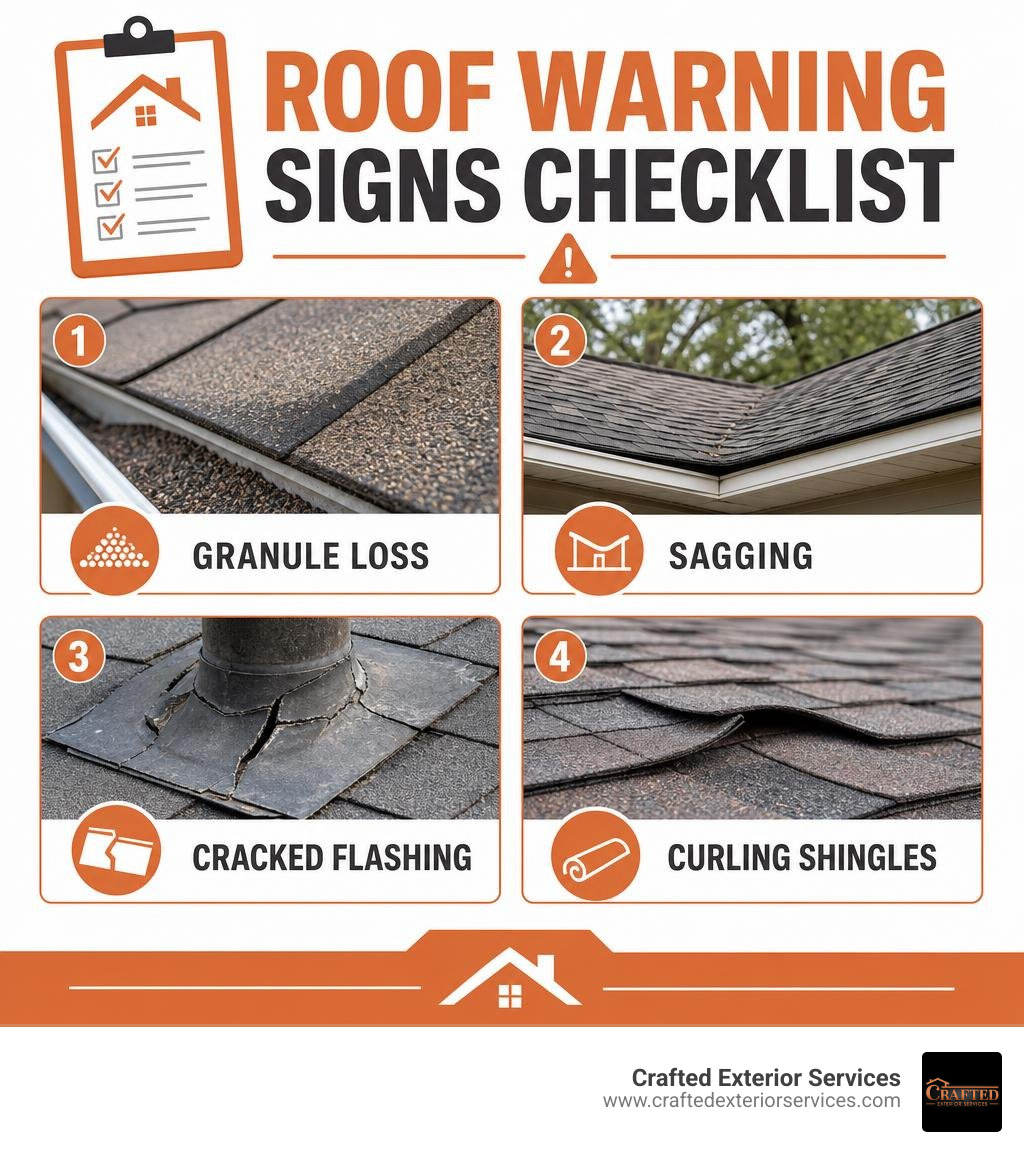
To protect your property, monitor your roofing system for these distinct indicators of material failure:
- Curling and Cupping Shingle Edges: As asphalt shingles age, UV radiation and thermal expansion dry out the volatile organic compounds in the asphalt mat. This causes shingle edges to turn upward (cupping) or claw downward, exposing underlying layers to wind uplift.
- Granule Loss in Gutters: Granules act as a shield protecting asphalt from solar degradation. While minor granule shedding occurs on new roofs, finding dense, sand-like piles in downspouts indicates advanced erosion and impending failure.
- Cracked or Compromised Flashing: Step flashing, valley metal, and pipe boots prevent water penetration at vulnerable seams. Weathered rubber pipe boots or rusted step flashing create direct avenues for water to enter wall cavities.
- Ceiling Water Stains and Attic Mold: Dark rings or bubbling paint on upstairs ceilings, alongside damp attic insulation or wood rot on rafters, signal that moisture is breaching the water-resistive barrier.
- Sagging Roof Decking: A sagging slope indicates structural timber compromise. Moisture infiltration rots the plywood or OSB decking beneath, undermining structural load-bearing capacity.
How to Prepare for a Roof Replacement Service Near Me
Preparing your home for a roof replacement requires clearing satellite dishes, parking driveway vehicles on the street, protecting sensitive landscaping, and securing interior wall decorations.
A full tear-off and installation generates vibrations and heavy foot traffic. Taking proactive steps before the crew arrives ensures project safety and protects your valuable property:
- Clear Satellite Dishes and Wall Fixtures: Coordinate with your service provider to detach active dishes or wall-mounted accessories before tear-off begins.
- Move Driveway Vehicles: Park all household vehicles on the street prior to 7:00 AM on installation day. This keeps your driveway completely clear for material delivery trucks and dump trailers.
- Protect Landscaping and Outdoor Living Spaces: Move patio furniture, potted plants, gas grills, and lawn decorations well away from the house perimeter. We lay heavy-duty canvas tarps and plywood sheets over delicate shrubbery and HVAC units.
- Secure Indoor Valuables: Hammering on the roof deck vibrates interior walls. Remove delicate picture frames, mirrors, and loose collectibles from upper-floor walls and shelving.
- Secure Pets and Children: Roofing projects involve substantial noise and active work zones. Keep pets indoors or make temporary boarding arrangements to minimize anxiety and ensure safety.
Homeowners seeking verified, locally certified installers in Eastern West Virginia and Western Maryland can locate reliable specialists via our dedicated Roofers Near Me guide.
Understanding Roof Replacement Costs, Materials, and Climate Durability
Roof replacement costs are determined by square footage, pitch and slope complexity, tear-off layers, material selection, and local labor rates. In our service areas—such as Martinsburg, WV, and Hagerstown, MD—a standard residential asphalt replacement ranges from $8,000 to $18,500, while premium architectural shingles, standing seam metal, or synthetic slate systems command higher investments due to extended lifespans and superior durability.
Calculating a roof estimate begins with “squares”—a standard roofing measure equal to 100 square feet of surface area. A 2,000-square-foot home with a standard steep-slope design equals approximately 22 to 25 roofing squares once pitch multipliers and waste factors are calculated.
Material selection directly dictates climate resistance against mid-Atlantic weather patterns, which bring freeze-thaw cycles, high winds, ice damming, and severe summer storms:
- Architectural Asphalt Shingles: Engineered with a fiberglass mat coated in asphalt and mineral granules, architectural shingles offer excellent wind resistance (up to 130 mph) and affordability. Industry-leading products from GAF and CertainTeed carry Class A fire ratings and impact resistance.
- Standing Seam Metal Roofing: Featuring concealed fasteners and interlocking vertical ribs, standing seam metal handles snow shedding effortlessly, resists wind uplift exceeding 140 mph, and delivers a service life of 50 years or more.
- Synthetic Slate and Shake: Formulated from engineered polymers, synthetic slate delivers authentic aesthetic appeal without requiring heavy structural reinforcement, boasting Class 4 impact resistance against heavy hail.
| Roofing Material | Estimated Installed Cost (Per Square) | Typical Lifespan | Climate Resistance Strengths | Best Suitability |
|---|---|---|---|---|
| 3-Tab Asphalt Shingles | $350 – $450 | 15 – 20 Years | Basic wind and water resistance | Budget-conscious projects |
| Architectural Shingles | $450 – $650 | 25 – 30 Years | High wind uplift (130 mph), strong algae protection | Standard residential homes |
| Standing Seam Metal | $900 – $1,500 | 50+ Years | Superior snow shedding, extreme wind & fire resistance | Long-term durability, low maintenance |
| Synthetic Slate / Tile | $1,100 – $1,800 | 50+ Years | Class 4 impact resistance, zero moisture absorption | Premium aesthetic & hail protection |
For an in-depth financial breakdown tailored to Berkeley County homeowners, review our comprehensive cost analysis, Don’t Get Roof Ripped: The Ultimate Guide to Roofing Costs in Martinsburg WV. If you reside across the state line in Washington County, learn how to audit line-item proposals with How to Get a Fair Roof Estimate in MD Without Getting Nailed.
Navigating Financing Options and Manufacturer Warranties
Flexible financing options—including zero-down payment programs, soft credit pre-qualifications, and low monthly payment plans—allow homeowners to fund a roof replacement without depleting emergency reserves. Coupled with comprehensive manufacturer warranties, financing makes premium roofing installations accessible while securing non-prorated protection for up to 50 years.
When evaluating financing, look for pre-qualification processes that utilize soft credit checks, ensuring your credit score remains unaffected during initial rate comparisons. Flexible plans spread the project cost into predictable monthly payments tailored to your budget.
Roofing warranties fall into two distinct categories:
- Manufacturer Material Warranties: Cover factory defects in the shingles or underlayment components. Standard warranties range from 25 to 50 years. Premier non-prorated coverage (such as GAF System Plus or CertainTeed SureStart) provides 100% material replacement costs for the first 10 to 50 years.
- Contractor Workmanship Guarantees: Protect against installation errors, flashing misalignments, or improper penetration seals. Always insist on a written workmanship warranty backed directly by a licensed local installer.
Understanding warranty registration protocols is critical. Premium system warranties require installation by certified factory-trained contractors who register the complete roofing system—including ice and water shields, synthetic underlayment, drip edges, and ridge ventilation—directly with manufacturers like Owens Corning.
Step-by-Step Roof Replacement Process and Insurance Navigation
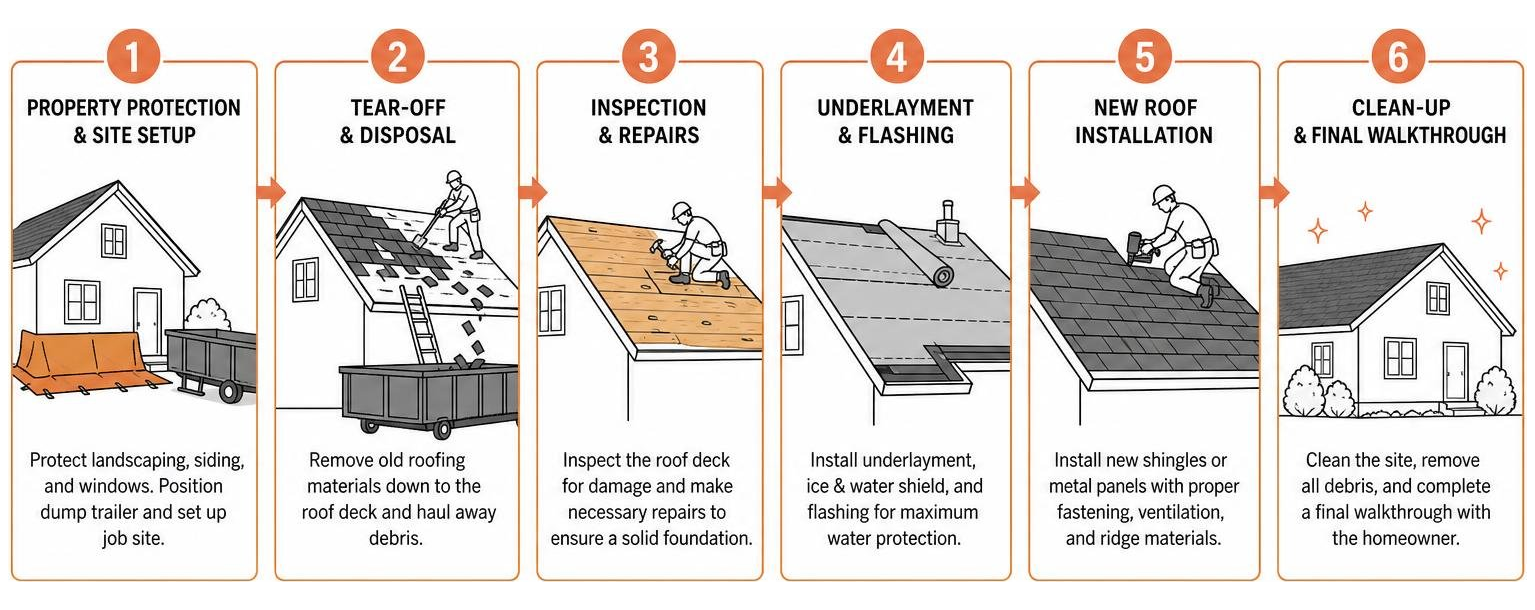
A standard residential roof replacement follows a precise six-step installation timeline that takes between 1 and 3 days to complete under normal weather conditions.
Here is the exact step-by-step process our installation team executes on site:
- Property Protection and Site Setup: We position dump trailers near roof eaves and lay heavy protective tarps over exterior siding, windows, flowerbeds, and surrounding landscaping.
- Complete Tear-Off down to Sheathing: Crews strip away all existing asphalt shingles, underlayment, and deteriorated flashing down to the raw wood decking.
- Decking Inspection and Repair: We inspect every sheet of plywood or OSB sheathing for water rot, structural sagging, or soft spots. Rotted boards are removed and replaced with new CDX plywood to ensure a firm structural substrate.
- Installation of System Underlayments: We apply self-adhering ice and water shield along eaves, valleys, rake edges, and pipe flashing penetrations to halt ice damming. The rest of the deck is covered in high-tear-strength synthetic underlayment instead of outdated felt paper.
- Shingle and Component Installation: Factory-certified technicians install starter shingles, architectural shingles attached with proper nail patterns, new metal drip edges, step flashing, and ridge vents to optimize continuous attic ventilation.
- Debris Cleanup and Magnetic Magnet Sweep: Crews conduct a thorough property cleanup, using powerful rolling magnets across the driveway, lawn, and walkways to collect every stray nail and metal scrap.
For practical staging advice to keep your household calm during construction, read our guide on New Roof Installation Tips to Keep Your Sanity Intact.
Managing Insurance Claims for Storm-Damaged Roofs
Homeowners insurance policies cover full roof replacements when damage is directly caused by sudden windstorms, fallen trees, or hail impacts. Navigating a claim successfully requires prompt damage documentation, emergency mitigation, precise scope matching, and a clear understanding of your insurance policy structure.
If severe weather impacts your home, taking immediate action preserves your claim integrity:
- Emergency Tarping: Immediately secure exposed decking or active roof breaches with temporary tarps to mitigate interior water damage. Insurers require homeowners to take reasonable steps to prevent secondary loss.
- Comprehensive Photo Evidence: Document hail-pitted shingles, creased wind-blown shingles, dented gutters, and ceiling stains using clear photo and video records prior to temporary repairs.
- Xactimate Line-Item Alignment: Professional estimates should utilize Xactimate pricing software—the standard platform used by insurance adjusters—to align line items for materials, labor, tear-off disposal, and local code adjustments.
- ACV vs. RCV Policies:
- Actual Cash Value (ACV): Pays the depreciated value of your roof based on its age and condition.
- Replacement Cost Value (RCV): Covers the full actual cost of replacing the damaged roof with a new system of similar quality. The initial check reflects ACV, while the remaining balance (“recoverable depreciation”) is released after the contractor submits the final invoice upon project completion.
For fast response and expert claim filing assistance following severe weather events, explore our dedicated Storm Damage Roof Repair services.
Evaluating a Roof Replacement Service Near Me for Quality and Licensing
Evaluating a local roof replacement contractor requires verifying active state business licenses, holding full commercial liability and workers’ compensation insurance, confirming factory certifications, and reviewing genuine customer feedback across independent directories.
To ensure your home is protected, demand verification of these foundational criteria before signing any roofing agreement:
- State Licensing and Local Registration: Ensure the contractor holds active general contracting or specialty roofing licenses in your jurisdiction. Verify credentials for regional service areas via local resources like Roofing Services in Hagerstown MD, Roofing Services in Martinsburg WV, and Roofing Services in Chambersburg PA.
- Full Insurance Coverage: Request certificate proof sent directly from the contractor’s insurance agent showing at least $1,000,000 in general liability alongside comprehensive workers’ compensation coverage. Never hire an uninsured crew, as property owners can be held liable for workplace injuries sustained on site.
- In-House Labor and Factory Certification: Inquire whether installation crews are direct employees or unverified third-party subcontractors. Factory certifications (such as Master Elite or Platinum Contractor status) confirm that installers receive continuous technical training directly from material manufacturers.
- Community Reputation and BBB Accreditation: Research local contractor ratings and complaint histories through verified community resources like local contractor listings and the Better Business Bureau.
To learn more about vetting local contractors, read The Ultimate Guide to Finding a Reliable Roofer Near Hagerstown.
Frequently Asked Questions About Roof Replacement
How long does a standard residential roof replacement take to complete?
A standard residential roof replacement on a single-family home takes between 1 and 3 days to complete. The exact duration depends on the roof’s square footage, pitch steepness, the number of existing shingle layers to tear off, structural decking repair requirements, and local weather conditions.
Unfavorable conditions, such as freezing temperatures or precipitation, will temporarily pause work to preserve seal strip adhesion and prevent moisture entrapment.
Does homeowners insurance cover a full roof replacement after a storm?
Homeowners insurance covers full roof replacement if sudden wind gusts, hail strikes, or fallen limbs compromise structural integrity or cause functional water leaks. Coverage depends on your policy terms (RCV vs. ACV) and your deductible amount. Insurance policies exclude coverage for gradual wear and tear, age-related degradation, or neglect caused by skipped routine maintenance.
Always obtain a documented storm damage assessment from a professional installer before filing an official claim.
What is the average lifespan of a modern residential roof system?
A modern residential roof system lasts between 20 and 50+ years, depending primarily on material quality, installation standards, and attic ventilation performance:
- Standard 3-Tab Shingles: 15 – 20 years
- Architectural Asphalt Shingles: 25 – 30 years
- Standing Seam Metal: 50+ years
- Synthetic Slate / Composite: 50+ years
Proper ridge and soffit ventilation plays a direct role in maximizing lifespan by preventing extreme heat accumulation in summer and mitigating destructive ice dam formation during mid-Atlantic winters.
Conclusion
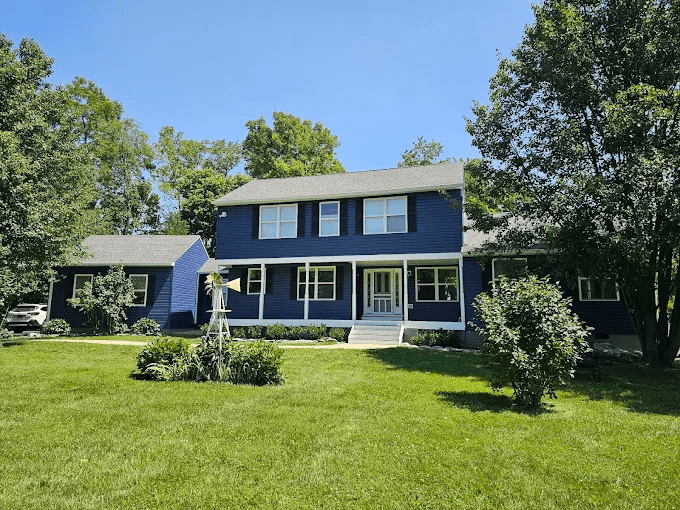
Searching for a reliable roof replacement service near me comes down to securing lasting structural protection, clear communication, and non-prorated system warranties. A roof replacement is a long-term investment in your property’s safety, energy efficiency, and curb appeal.
At Crafted Exterior Services, our team brings local craftsmanship, zero-down financing options, and builder-grade standards to every home we touch across West Virginia and Maryland. Whether you are addressing storm damage or replacing an aging roof, our team is ready to evaluate your home and deliver an honest, transparent plan.
To schedule your thorough, zero-obligation roof assessment, contact our experts today through our dedicated Roof Replacement Services portal.