Why Your Metal Shed Roof Decision Matters More Than You Think
Quick Answer: Best Metal Shed Roof Options at a Glance
| Roof Type | Best For | Lifespan | Cost Range |
|---|---|---|---|
| Corrugated steel | Budget DIY sheds | 40-50+ years | $ |
| Ribbed panels | Mid-range sheds | 40-60 years | $$ |
| Standing seam | Premium/long-term | 50-70 years | $$$ |
| Galvalume coated | Humid/coastal climates | 50-60 years | $$ |
Choosing the right metal shed roof is one of the most impactful decisions you’ll make for your backyard storage — and it’s also one of the most confusing.
There are dozens of panel profiles, coatings, gauges, and fastener systems out there. Most guides either go way over your head or skip the details you actually need.
Here’s what you need to know upfront: metal roofing lasts 40 to 70 years — far longer than asphalt shingles, which typically need replacing after 20 to 30 years. That lifespan advantage alone makes metal the smarter long-term investment for most homeowners.
At Crafted Exterior Services, your trusted local exterior home services provider, we work with homeowners across Martinsburg, WV every day who are navigating exactly this decision — often after a storm has already forced their hand.
Whether you’re building a new shed from scratch or replacing a failing roof on an existing one, this guide cuts through the noise. We’ll cover materials, profiles, installation tips, and the mistakes that turn a simple project into a costly headache.
The Ultimate Guide to Selecting a Metal Shed Roof
When it comes to selecting a metal shed roof, you aren’t just choosing a visual cap for your backyard structure; you are making a long-term investment in your property’s overall durability and weather resistance. A shed protects valuable tools, lawn equipment, and seasonal gear. If the roof fails, everything underneath is compromised.
For homeowners in West Virginia and Maryland, our climate brings hot, humid summers, heavy autumn rains, and freezing winter snow loads. This makes your choice of roofing material incredibly important. While many builders default to asphalt shingles because they seem cheap upfront, a side-by-side comparison reveals that metal is almost always the superior choice.
Our comprehensive breakdown of Asphalt Shingles vs. Metal Roofs details how metal outclasses traditional shingles in almost every metric, including longevity, wind resistance, and maintenance. If you are planning a larger project or looking to match your home’s aesthetic, exploring our Residential Roofing Services will give you a sense of how these materials perform at scale.
Key Advantages of a Metal Shed Roof
Why choose a metal shed roof over other materials? The benefits go far beyond basic aesthetics:
- Exceptional Lifespan: While traditional asphalt shingles last between 10 and 30 years before curling and decaying, a quality metal roof will easily last 40 to 70 years.
- Weather and Fire Resistance: Metal panels are non-combustible, offering Class A fire resistance. They easily shed heavy snow and withstand high winds that would rip shingles right off the deck.
- Pest Protection: Wood-boring insects, rodents, and nesting birds can easily chew or claw through asphalt and wood. Metal provides an impenetrable barrier against pests.
- Solar Heat Reflection: Metal reflects radiant heat from the sun, keeping the interior of your shed significantly cooler during hot summer days. This is especially useful if you use your shed as a workshop or store temperature-sensitive chemicals and paints.
- Low Maintenance: Unlike shingles, which require frequent moss removal and replacement of lost granules, metal roofs require very little upkeep. A simple annual rinse to clear leaves and debris is usually all it takes.
For smaller, pre-fabricated designs, manufacturers have embraced these advantages by building highly efficient structures like the Duramax 8×6 Pent Roof Shed with Skylight, which pairs a resilient metal roof with natural lighting features to maximize utility.
Comparing Metal Profiles: Corrugated vs. Ribbed vs. Standing Seam
The “profile” of a metal roof refers to the shape into which the metal sheets are bent. The profile dictates not only how the roof looks, but also how it is fastened and how it handles water runoff.
Corrugated Panels
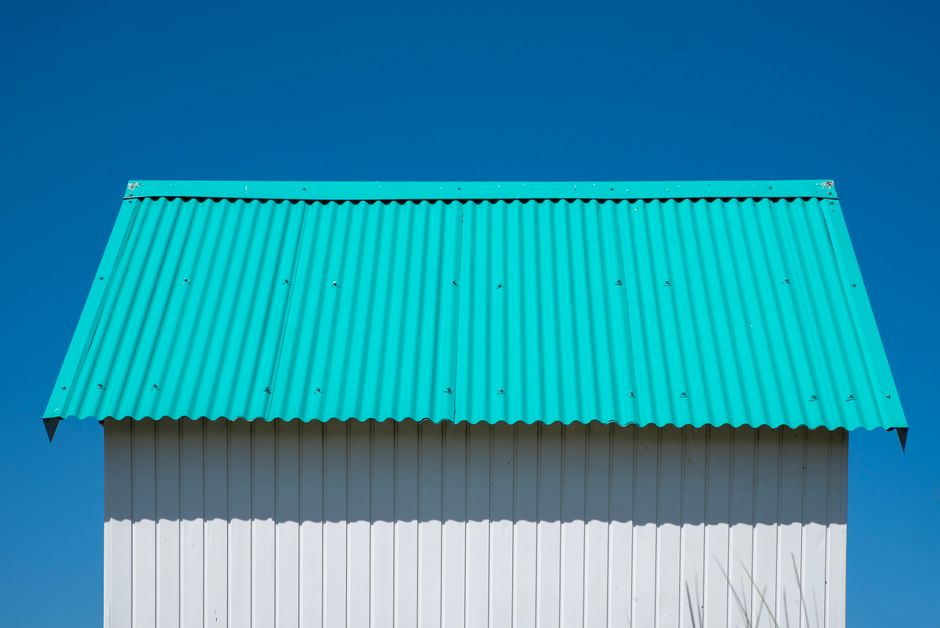
This is the classic, wavy profile that has been used on agricultural buildings for generations. It is highly affordable, incredibly rigid for its weight, and very easy to install. However, it uses an exposed fastener system, meaning screws are driven directly through the face of the metal.
Ribbed (Tuff Rib / PBR) Panels
Ribbed panels feature flat sections punctuated by raised, sharp ribs. These are highly popular for residential and agricultural outbuildings because they offer a slightly more modern, clean look than traditional wavy corrugated sheets. Like corrugated panels, these also use exposed fasteners.
Standing Seam Panels
If you want the absolute best in weatherproofing and aesthetics, standing seam is the gold standard. This system features vertical panels with raised interlocking seams. The magic of standing seam lies in its concealed fastener design. The screws are hidden beneath the metal surface using a floating clip system, meaning there are zero holes drilled through the exterior face of the panels.
This completely eliminates the primary source of roof leaks: failing rubber washers on exposed screws. To learn more about this premium option, read our detailed guide on Standing Seam Metal Roofing. For heavy-duty applications, commercial-grade systems like Mechanically Seamed Panels offer unparalleled wind uplift resistance and stability on low-slope roofs.
| Profile Type | Fastener Type | Relative Cost | Best Use Case |
|---|---|---|---|
| Corrugated | Exposed | Low | Budget DIY, rustic designs, simple storage sheds |
| Ribbed (Tuff Rib) | Exposed | Medium | Modern backyard sheds, workshops, garages |
| Standing Seam | Concealed | High | Premium sheds, matching home roof, maximum leak prevention |
Materials and Specifications: Gauges, Coatings, and Panels
To ensure your shed roof can handle local weather patterns, you must understand the technical specifications of the metal panels you buy. Selecting the wrong thickness (gauge) or coating can lead to premature rust, sagging under snow loads, or panels tearing away during high winds.
For larger outbuildings, such as the heavy-duty TMG 30′ x 40′ Metal Garage Shed, structural integrity relies heavily on matching robust framing with correctly specified metal panels.
Understanding Metal Gauges and Panel Lengths
In the metal industry, thickness is measured by “gauge.” The most important rule to remember is: the lower the gauge number, the thicker the metal.
- 29-Gauge: This is the standard thickness for most residential backyard sheds. It is lightweight, easy to cut and handle, and highly economical.
- 26-Gauge: Thicker and more rigid than 29-gauge, this is the preferred choice for larger workshops, high-wind areas, or regions that experience heavy winter snows in West Virginia and Maryland.
- 24-Gauge: This is a heavy-duty, commercial-grade metal typically reserved for standing seam systems on residential homes or highly engineered structures.
When ordering panels, try to source custom lengths that span from your roof’s ridge to the eave in a single sheet. Avoiding horizontal mid-roof overlaps drastically reduces the chance of water backing up under the metal.
Additionally, you must account for thermal expansion; metal panels expand and contract as temperatures swing from freezing winter nights to scorching summer afternoons. For advanced applications where temperature control is critical, utilizing engineered options like Insulated Standing Seam Composite Panels provides built-in thermal resistance and structural spanning capabilities.
Galvanized Steel vs. Galvalume vs. Aluminum
The base metal and its protective coating determine how well your roof resists corrosion over the decades.
Galvanized Steel
This is steel coated with a protective layer of pure zinc. It is highly durable and cost-effective. In fact, unpainted galvanized sheet metal roofing can last more than 50 years as the zinc slowly oxidizes and protects the underlying steel.
Galvalume
Galvalume is steel coated with an alloy of 55% aluminum and about 45% zinc. This combination offers up to four times the corrosion resistance of traditional galvanization, making it highly recommended for damp, humid environments.
Aluminum
Aluminum is completely rust-proof, making it an excellent choice for highly humid climates. However, it is softer than steel, meaning it can dent more easily from falling branches or large hail. It also experiences significant thermal expansion, which can work exposed nails or screws loose over time if not installed correctly.
For regional supply and fabrication of high-quality coated steel panels, regional manufacturers like Wagler Steel Metal Siding and Roofing provide excellent commercial-grade options tailored to our local Mid-Atlantic climate.
Step-by-Step Installation and Common Mistakes to Avoid

While installing a metal shed roof is highly achievable for a confident DIYer, it requires precision. Unlike asphalt shingles, which can be somewhat forgiving of minor alignment errors, metal panels must be perfectly square and properly fastened from the very first sheet.
If you feel uncomfortable working at heights or want to ensure a leak-free installation backed by a lifetime warranty, our professional Roof Replacement Services are always available to handle the heavy lifting.
How to Install Your Metal Shed Roof Step-by-Step
Follow these fundamental steps to ensure a professional-grade installation:
- Prepare the Substrate: Ensure your shed roof deck is solid, flat, and free of debris. Install a high-quality synthetic underlayment over the wood decking to act as a secondary water barrier.
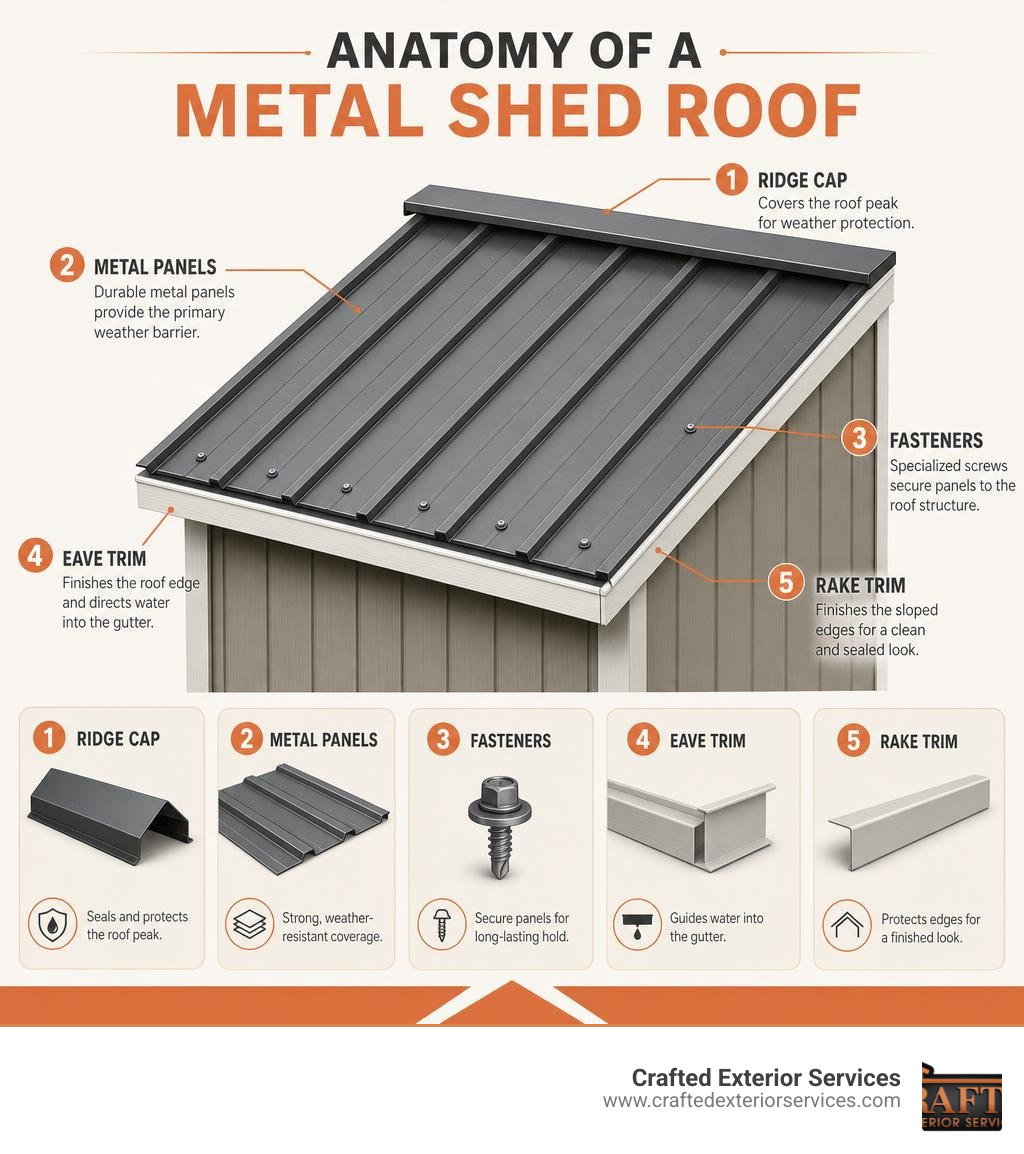
- Install the Drip Edge: Secure metal drip edge trim along the eaves (bottom edges) of the roof. This ensures water drains cleanly off the roof and into gutters rather than rotting your shed’s wooden trim.
- Lay the First Panel: Place your starter sheet at the downwind edge of the roof. It should overhang the eave by roughly 1 to 1.5 inches to create a natural drip edge. Ensure this first sheet is perfectly square to the eave; if it is crooked, every subsequent sheet will drift further out of alignment.
- Overlap the Ribs: When placing the next panel, overlap it by at least one full rib over the previous sheet. Ensure the overlapping edge curves down slightly to channel water away from the seam.
- Place the Screws Correctly: Use self-tapping metal roofing screws equipped with neoprene rubber washers. Drive the screws into the flat sections of the panel directly adjacent to the ribs (though some regional builders prefer driving them through the top of the ribs to minimize water exposure). Space screws roughly 12 inches apart along the purlins.
- Apply Foam Closures: Insert contoured foam closure strips under the panels at the eaves and under the ridge cap. These strips match the profile of your metal panels, blocking wind-driven rain, snow, pests, and birds from getting underneath.
- Install the Ridge Cap and J-Trim: Place the ridge cap over the peak of the roof, overlapping the panels on both sides. Fasten it securely through the ribs of the underlying panels. Install J-trim or rake trim along the gable ends for a clean, finished look.
Critical Installation Mistakes to Avoid
- Over-Tightening Screws: This is the single most common installation mistake. If you drive a screw too deep, the neoprene washer will split, crack, and fail within a few years, creating a direct path for water leaks. The washer should be compressed flat, not squeezed out from under the metal cap.
- Using the Wrong Cutting Tools: Never use an abrasive angle grinder disc to cut metal roofing panels. The intense heat generated by a grinder burns away the protective zinc coating along the cut edge, leading to rapid rusting. Additionally, hot metal sparks will embed themselves in the painted surface of the panel, causing tiny rust spots across the entire roof. Use specialized metal shears, nibblers, or a circular saw equipped with a cold-cut metal blade.
- Ignoring Thermal Expansion: Metal panels must have slightly elongated or loose fastening points on long runs to allow the sheets to expand and contract without warping or pulling the screws out of the wood framing.
- Failing to Seal Overlaps: On low-slope roofs, water can be drawn upward between overlapping panels via capillary action. Always apply a thin bead of butyl tape or exterior-grade silicone sealant between the overlapping ribs on shallow pitches.
Frequently Asked Questions about Metal Shed Roofs
Is a metal roof on a shed noisy when it rains?
No, not if it is installed over solid wood sheathing. While an all-metal pole barn with open rafters can produce a loud drumming sound during heavy rain, a backyard shed built with solid plywood or OSB roof decking under the metal panels will be remarkably quiet. The solid wood framing and synthetic underlayment act as natural acoustic insulation, dampening the sound of rain to a gentle, quiet murmur.
How long does an unpainted galvanized metal shed roof last?
An unpainted, hot-dipped galvanized metal roof can easily last 50 years or more. Over time, the bright silver zinc coating will weather into a dull gray patina. This oxidation process is completely normal and actually shields the underlying steel from rust. As long as the roof is kept clear of wet leaves and standing water, it will remain structurally sound for decades.
Where can I buy affordable metal roofing panels for a shed?
You can source metal roofing panels from a variety of outlets depending on your budget and customization needs:
- Local Home Improvement Stores: Retailers like Home Depot offer convenient access to standard panel sizes, accessories, and pre-fabricated options like the Gable Roof 13 ft. x 10 ft. Insulated Metal Shed.
- Specialty Metal Suppliers: Sourcing directly from regional fabricators allows you to order custom lengths, heavier gauges, and specialized color finishes.
- Manufacturer and Industry Resources: Before buying panels, compare coating systems, panel profiles, and installation requirements using non-competing technical resources from organizations such as the Metal Construction Association or major roofing manufacturers. For homeowners in Martinsburg, Bunker Hill, Hagerstown, and nearby areas, Crafted Exterior Services can help evaluate whether a shed roof should be handled as a DIY project or completed as part of a larger exterior upgrade.
Conclusion
Upgrading to a metal shed roof is the single best way to guarantee your backyard structure remains dry, secure, and maintenance-free for decades to come. By selecting the right profile, choosing a durable coating like Galvalume, and avoiding common installation pitfalls, you will save yourself time, money, and stress.
At Crafted Exterior Services, we are proud to be a non-franchise, locally owned team based in Martinsburg, WV. We serve homeowners throughout West Virginia and Maryland, including Bunker Hill, WV, and Hagerstown, MD. We offer manufacturer-approved products, zero-down financing, and full insurance coverage to give you absolute peace of mind.
If you are ready to upgrade your property with a beautiful, long-lasting metal roof, visit our dedicated Metal Roofing Services page to schedule your free estimate!