
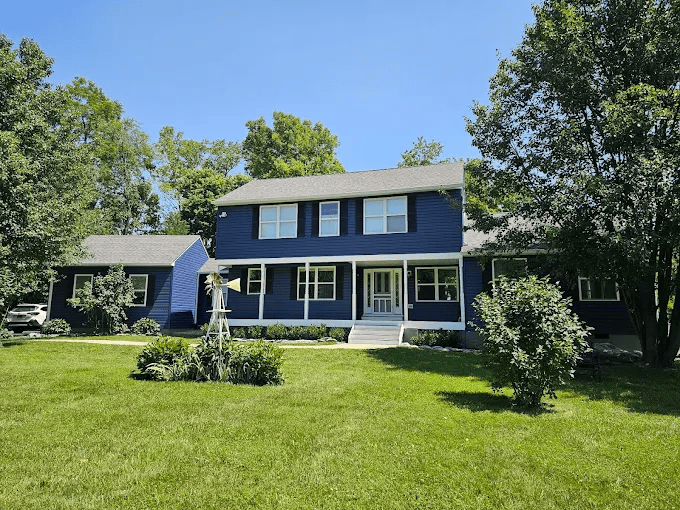
Your home’s exterior does more than improve curb appeal. It protects your house from wind, rain, snow, heat, and cold. When siding or roofing begins to fail, minor issues can quickly turn into costly repairs. In Martinsburg, West Virginia, where the weather changes fast, choosing the right exterior materials is especially important. Many homeowners research Professional siding installation in Hagerstown MD, to learn quality standards and spot early warning signs of roof damage. Understanding how siding and roofing work together helps you catch problems early and protect your home for years.
Why Siding Choice Matters More Than You Think
Siding is your home’s first line of defense, protecting walls, insulation, and roof structures from moisture and pests. Good siding keeps water out, improves energy efficiency, supports roof drainage, and helps spot roof damage early. Poor siding can hide leaks, trap moisture, and cause mold, wood rot, and structural problems over time.
How Siding and Roof Health Are Connected
Many homeowners think that siding and roofing are separate systems. In reality, they work together. The area where the roof meets the siding is one of the most vulnerable parts of your home. If the siding is cracked, loose, or poorly installed:
- Water can run behind it from the roof
- Flashing may fail without being noticed
- Roof leaks can travel down walls silently
Proper siding lets you spot roof problems early, preventing costly damage later.
Early Warning Signs of Roof Damage You Should Never Ignore
Before choosing or replacing siding, it is important to know what roof damage looks like. Siding can sometimes hide these signs, so awareness is key.
- Water Stains on Siding or Walls: Brown or dark stains on siding, especially near rooflines, often point to a roof leak. Water may be running down from damaged shingles or flashing.
- Missing or Curling Shingles: If you can see parts of the roof from the ground, look for missing or curled shingles. These allow water to seep in and travel behind siding.
- Sagging Roofline: A roof that looks uneven or droopy may mean trapped moisture or structural damage. This is a serious issue that should be checked right away.
- Mold or Mildew Growth: Mold on siding, especially near the roof edge, can signal ongoing moisture problems. This may come from poor roof drainage or leaks.
- Peeling Paint or Warped Siding: When moisture from the roof leaks reaches siding, it can cause paint to peel or panels to warp. This is often an early sign of hidden damage.
Common Siding Materials and What to Know About Each
Choosing the right siding helps protect your home and makes roof issues easier to detect.
Vinyl Siding
Vinyl siding is popular because it is affordable and low-maintenance. It resists moisture well but can crack in extreme cold. Cracks may allow roof runoff to enter behind panels.
Best for: Budget-friendly protection and easy maintenance
Watch for: Cracks, loose panels, and trapped moisture
Fiber Cement Siding
Fiber cement is strong, durable, and resistant to fire and pests. It holds up well against the weather and makes signs of water damage easier to see.
Best for: Long-term durability and weather resistance
Watch for: Proper installation to avoid moisture gaps
Wood Siding
Wood siding looks beautiful but requires regular care. It is more likely to show early signs of roof leaks through staining or rot.
Best for: Traditional style homes
Watch for: Rot, peeling paint, and insect damage
Engineered Wood Siding
This option offers the look of wood with better moisture resistance. It performs well when installed correctly.
Best for: Balance of beauty and durability
Watch for: Swelling or seam separation
How the Right Siding Helps Prevent Costly Roof Damage
Good siding does not just protect walls. It helps guide water away from the roof edges and foundation. Proper siding installation includes:
- Correct flashing around roof intersections.
- Tight seals around vents and trim
- Proper spacing to allow drainage
These details reduce the chance of water backing up into the roof structure.
Choosing the Right Siding Contractor in Martinsburg, WV
A good contractor understands how siding and roofing work together. When interviewing a siding contractor, ask:
- How they handle flashing near rooflines
- How siding will support roof drainage
- How do they inspect for existing roof damage
A contractor who ignores roof condition may leave problems hidden behind new siding.
Maintenance Tips to Protect Siding and Roof Together
Even the best siding needs care. Simple maintenance can help you catch roof damage early.
Regular Visual Checks
Look at your siding and roof after storms. Check for loose panels, stains, or debris buildup.
Clean Gutters Often
Clogged gutters push water back under the roof and behind the siding. Clean them at least twice a year.
Trim Nearby Trees
Branches rubbing against siding or roof shingles can cause damage and allow water entry.
Schedule Professional Inspections
An annual inspection can catch small problems before they grow into major repairs.
Signs It’s Time to Replace Siding Instead of Repairing
Sometimes repairs are not enough. You may need new siding if:
- Water damage keeps returning
- Panels are warped or cracked in many areas
- Mold growth keeps coming back
- Energy bills keep rising
New siding can solve ongoing moisture problems and protect your roof better.
Conclusion
Choosing the right siding is about more than looks. It helps protect your home from hidden damage and makes it easier to spot early roof problems before they become costly. When siding and roofing work together, homeowners in Martinsburg, West Virginia, can avoid stress and save money over time. A carefully planned siding upgrade also improves safety and extends your home’s life, especially when handled by experienced professionals like Crafted Exterior Services.