
When a Storm Hits, Every Minute Counts
When severe weather strikes, partnering with a trusted local roofing company is the most critical step to protect your property from devastating water damage. Emergency roof repair is something no homeowner wants to think about — until water is dripping through the ceiling at midnight.
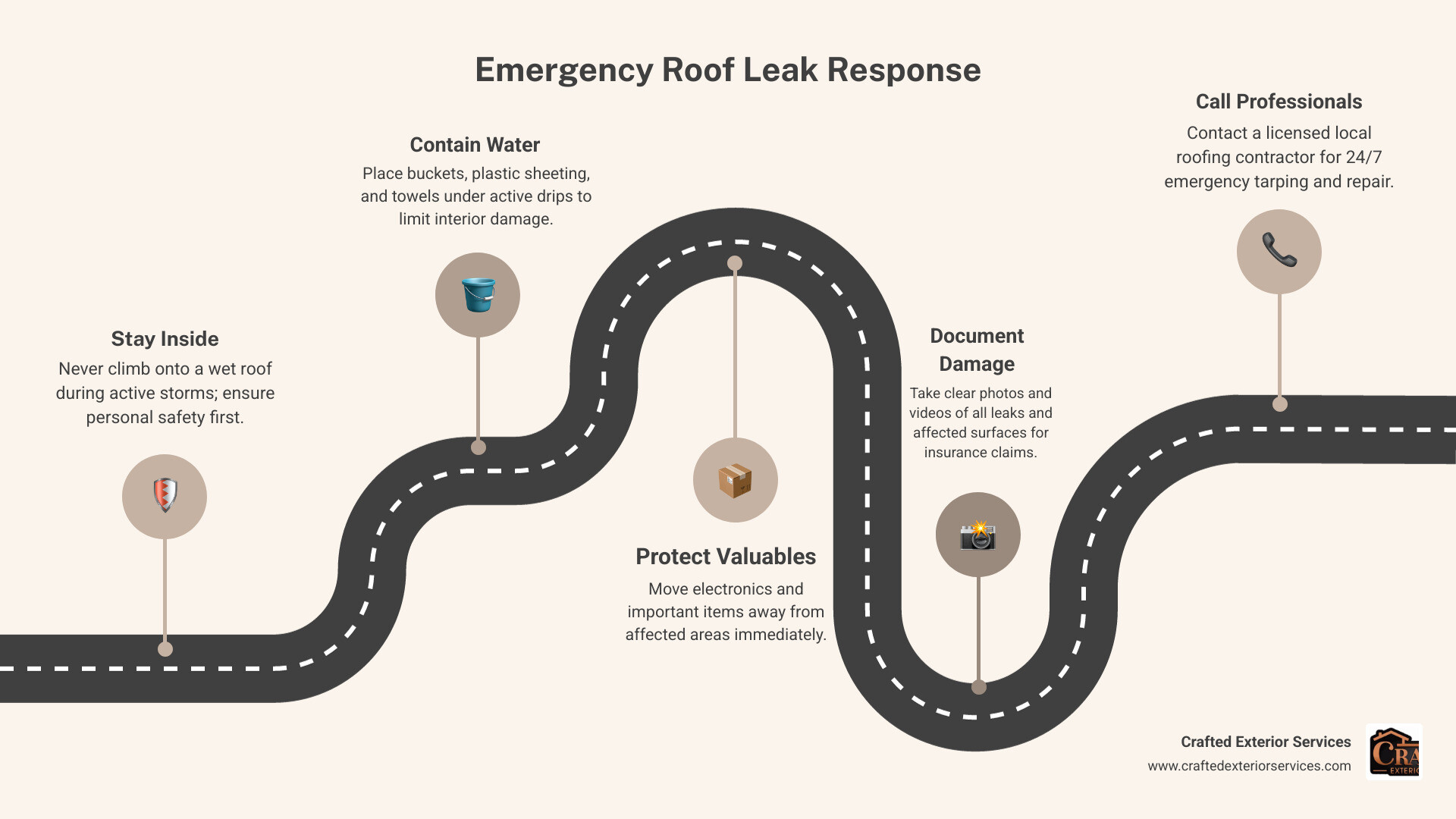
Here is what to do right now if your roof is leaking in a storm:
- Stay inside and stay safe — never climb onto a wet roof during active weather
- Contain the water — place buckets, towels, and plastic sheeting under any active drips
- Move valuables and electronics away from the affected area
- Document everything — take photos and videos of all visible damage for your insurance claim
- Call a trusted local roofing contractor for emergency roof repair — most reputable companies offer 24/7 dispatch
The hard truth: a roof leak that goes unaddressed for even a few hours can cause serious structural damage. Mold can begin growing within 48 hours of water intrusion. That small ceiling stain can become a collapsed drywall panel, a ruined attic, or a six-figure repair bill — fast.
For homeowners in Martinsburg, WV and the surrounding Mid-Atlantic region, severe thunderstorms, high winds, and winter ice events make sudden roof damage a real and recurring threat. This guide walks you through exactly what to do — from the moment you notice the leak to the moment a professional has your roof stabilized and documented for insurance.
If you need help right now, call Crafted Exterior Services at (240) 356-1100 for immediate emergency support.
When to Call for Emergency Roof Repair
Emergency roof repair is required when a leak compromises the structural integrity of the home, poses an electrical hazard, or is caused by major impact events like fallen trees. Not every drip requires an emergency dispatch, but certain scenarios demand immediate professional intervention to prevent catastrophic losses.
We define a true roofing emergency as any situation where water cannot be contained by basic household methods or where the physical structure of the roof is actively failing. If a storm has torn away large sections of your shingles, exposing the bare wooden decking below, rain will quickly saturate your ceiling. Similarly, if a heavy oak limb crashes through your roofline, you are no longer just dealing with a leak; you are dealing with a direct breach of your home’s envelope.
When you notice active, uncontrollable leaks pouring into your living space, or if you spot structural sagging along your roofline, you must call for professional help immediately. To help you evaluate your situation, we have outlined the critical indicators of a crisis in our guide on 10 Signs Your Roof Needs Immediate Attention.
Warning Signs of Impending Roof Failure
A sagging roof deck indicates that the structural rafters or trusses have been compromised by moisture, requiring immediate evacuation and professional stabilization. When water saturates the underlying plywood decking and structural framing, the wood softens, loses its load-bearing capacity, and begins to bow under the weight of the roofing materials.
Other urgent warning signs of impending failure include:
- Expanding ceiling stains: Water spots that grow rapidly during a single rain event.
- Sagging drywall: Ceilings that bow downward under the weight of trapped water.
- Electrical flickering: Water dripping near light fixtures, outlets, or ceiling fans.
- Rapid mold growth: Musty odors or dark spots appearing on walls or ceilings within 48 hours of a storm.
If you observe any of these symptoms, it is critical to seek immediate Roof Leak Repair before the ceiling collapses.
Common Causes of Sudden Roof Damage
High winds exceeding 50 mph can easily lift and tear away asphalt shingles, exposing the vulnerable underlayment to direct rainfall. Once a shingle is compromised, the wind-driven rain can easily work its way beneath the surrounding materials, creating a domino effect of water intrusion.
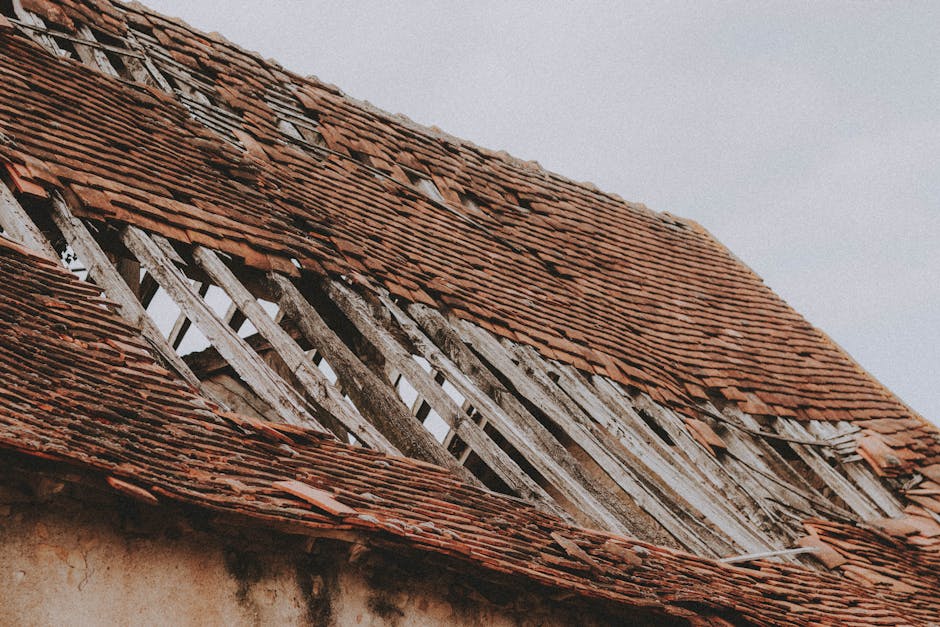
The most frequent culprits behind sudden, severe roof damage include:
- High Winds: Severe thunderstorms can produce straight-line winds that peel back shingles, blow off metal flashing, and expose the roof deck.
- Hail Damage: Heavy hail can knock the protective mineral granules off asphalt shingles, leaving the raw asphalt layer exposed to rapid deterioration and leaks.
- Fallen Tree Limbs: High winds and saturated soil can cause large tree branches or entire trees to fall, puncturing the roof deck and fracturing structural rafters.
- Ice Dams: In the winter, snow melts and refreezes at the cold edges of your roof, creating a dam that traps water. This standing water eventually backs up under shingles and leaks into the home.
To learn more about how we restore homes after severe weather events, explore our specialized solutions for Storm Damage Roof Repair.
How Regional Weather Drives Roofing Emergencies
The Mid-Atlantic region experiences diverse weather patterns, from high-wind severe thunderstorms to heavy winter ice dams, both of which accelerate roof wear and cause sudden failures. Our local climate in West Virginia and Maryland presents a unique set of challenges for residential roofing systems.
During the spring and summer, hot, humid air masses clash with cold fronts, generating intense thunderstorms that bring microbursts and large hail. In the winter, freezing temperatures combined with heavy snowfall lead to ice damming along gutters. This cyclic freezing and thawing can ruin even the sturdiest roofs if they lack proper ventilation and ice-and-water shielding.
Understanding these weather patterns is crucial for maintaining a dry, secure home. For homeowners in West Virginia, our specialized Roofing Services in Martinsburg WV are designed to withstand these exact regional climate demands.
Step-by-Step: What to Do While Waiting for Help
Homeowners should never attempt to climb onto a wet, slippery roof during an active storm; all initial mitigation must be performed from inside the home. Attempting a DIY tarping job while rain is falling and winds are howling is incredibly dangerous and can lead to severe injuries.
While you wait for our emergency dispatch crew to arrive at your property, follow this safe, step-by-step interior action plan:
- Step 1: Protect Your Belongings: Move furniture, electronics, rugs, and valuables out of the leak’s path. If items are too heavy to move, cover them with heavy plastic drop cloths or trash bags.
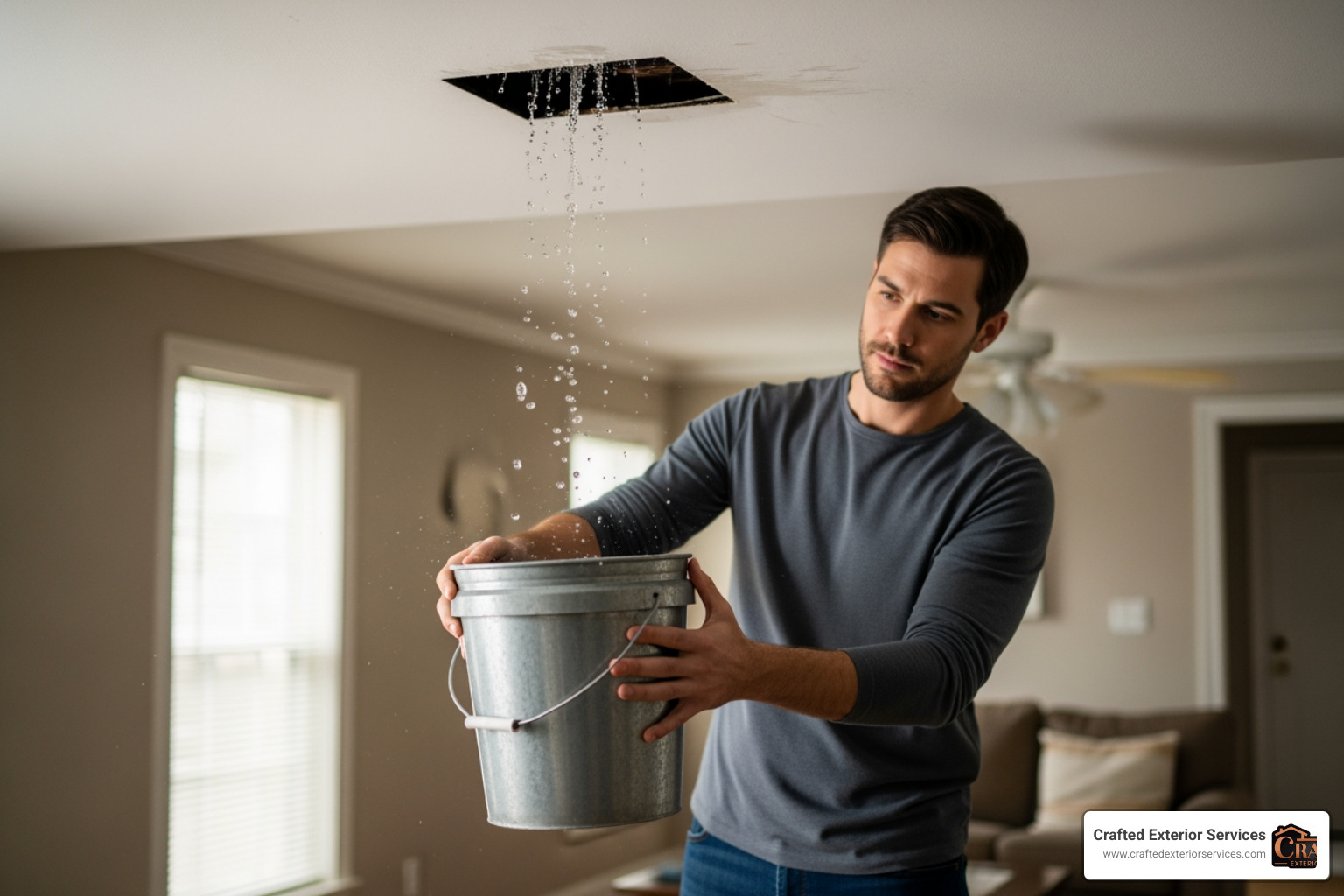
- Step 2: Contain the Water: Place buckets, plastic bins, or pots directly under the drip. To prevent splashing and reduce the annoying “drip-drip” sound, place an old towel at the bottom of the bucket or tie a piece of string to the ceiling and let it guide the water down into the container.
- Step 3: Relieve Water Pressure: If you see a bulging puddle forming under the ceiling paint, use a screwdriver or nail to poke a small hole in the center of the bulge. This drains the trapped water safely into a bucket and prevents the drywall from collapsing under the weight.
- Step 4: Document the Damage: Take clear, well-lit photos and videos of the active leak, the damaged ceiling, and any ruined personal property. This documentation is essential for your homeowners insurance claim.
What to Expect: Response Times and 24/7 Availability
Reputable emergency roofing contractors offer 24/7 dispatch to provide temporary tarping and prevent further water intrusion until permanent repairs can be safely executed. When you call us during a crisis, our primary goal is to stabilize your home as quickly as possible.
We pride ourselves on our rapid response times. For calls received before 2:00 PM, we typically deploy an emergency inspection or tarping team the same afternoon. Overnight calls are prioritized and serviced within 24 hours. Because storm damage does not wait for normal business hours, we keep our phone lines open around the clock.
If you are dealing with a severe leak in Maryland, you can access our dedicated teams through our Roofing Services in Hagerstown MD. For immediate, hassle-free emergency assistance, Call Crafted Exterior Services at (240) 356-1100 right now to get a certified professional dispatched to your home.
Temporary Solutions: Emergency Tarping and Sealing
Emergency tarping using heavy-duty 6-mil polyethylene tarps secured with wooden battens is the industry-standard method for temporarily halting water intrusion during a storm. This temporary barrier is designed to shed water away from the damaged area and protect your home’s interior until weather conditions allow for a permanent fix.
Professional emergency tarping is not a simple “throw-and-go” process. It requires heavy-duty, UV-resistant 6-mil poly tarps that are rated to withstand winds up to 50 mph. The tarp must be wrapped over the ridge of the roof and secured using wooden furring strips (battens) screwed directly into the roof deck or rafters. This prevents wind from getting underneath the tarp and blowing it away.
According to industry data on Roof Repair Cost (2026) Prices by Damage Type & Region – Modernize, professional emergency tarping typically costs between $300 and $700 depending on the roof’s size, pitch, and accessibility. However, this is a necessary mitigation step that is highly recommended by insurance carriers to prevent secondary water damage.
The Step-by-Step Emergency Roof Repair Process
A professional emergency repair begins with a safety assessment, followed by temporary dry-in measures, and concludes with a comprehensive estimate for permanent restoration. When our crew arrives at your home, we follow a systematic process to restore your peace of mind:
- Safety Assessment: We evaluate the site for hazards, including downed power lines, unstable trees, and structural integrity concerns.
- Source Identification: We trace the water intrusion to its exact origin on the roof, rather than just patching where the ceiling is wet.
- Temporary Dry-In: We apply emergency tarps, synthetic underlayment, or quick-setting sealants to halt active water entry.
- Documentation & Estimating: We take detailed photos of the exterior damage and provide you with a comprehensive, written estimate for a permanent fix.
- Permanent Repair: Once the storm passes and materials are secured, we replace damaged shingles, flashing, and underlayment using premium materials that meet GAF Certified Roofing Standards.
If you want to explore our non-emergency maintenance and restoration options, check out our general Roof Repair Services.
Navigating Homeowners Insurance and Mitigation Costs
Most homeowners insurance policies contain a “loss-prevention clause” requiring the policyholder to take reasonable temporary measures—such as emergency tarping—to prevent further damage after a leak occurs. If you fail to take these steps, your insurance company may deny coverage for any secondary damage, such as ruined drywall, mold growth, or damaged flooring.
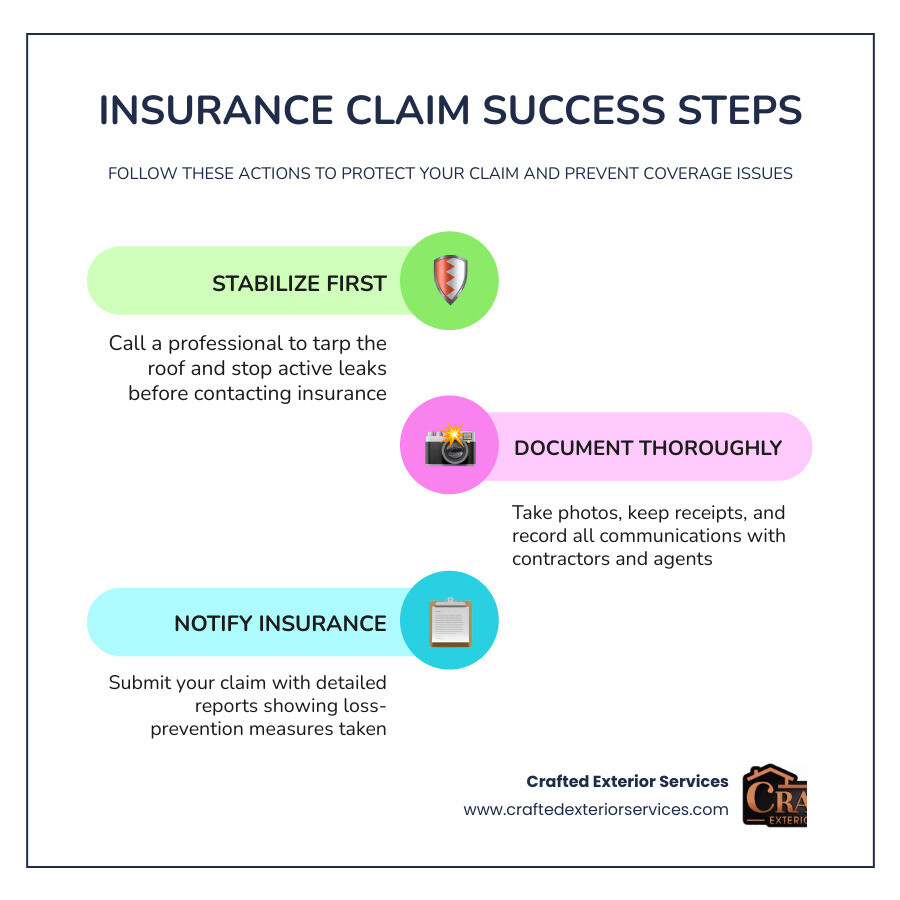
To ensure your claim goes smoothly, keep these key points in mind:
- Act Quickly: Contact us to stabilize the roof first, then notify your insurance agent.
- Document Everything: Keep a detailed record of all communication, receipts, and professional reports.
- Use Adjuster-Grade Reports: We provide comprehensive photo documentation and written estimates that align directly with what insurance adjusters need to approve your claim.
For a detailed walkthrough of how wind and hail claims are processed, consult the Owens Corning Insurance Claim Guide.
How to Choose an Emergency Roof Repair Contractor
Hiring a manufacturer-certified, locally licensed, and fully insured contractor ensures that your emergency repairs comply with local building codes and preserve your existing roof warranty. During a storm, “storm chasers” from out of state often flood the area, offering cheap, quick fixes that fail within months and leave you with no recourse.
As a non-franchise, locally owned team based in Martinsburg, WV, Crafted Exterior Services provides manufacturer-approved products, zero-down financing, and full insurance coverage. We live and work in the communities we serve, ensuring that your home receives the highest level of care.
For reliable local support across state lines, we also provide expert Roofing Services in Chambersburg PA. Our team maintains the highest standards of craftsmanship, ensuring that your home receives durable, long-lasting protection against future storms.
Frequently Asked Questions about Emergency Roof Repair
How quickly can a roofing contractor respond to an emergency?
Most emergency roofing contractors respond within 2 to 4 hours of the initial call, depending on weather conditions and safety constraints. Temporary tarping is typically completed as soon as active lightning or extreme winds subside, ensuring our crews can work safely on your roof.
Is emergency roof tarping covered by homeowners insurance?
Yes, emergency roof tarping is generally covered under the “reasonable repairs” or “mitigation of loss” section of standard homeowners insurance policies, as it prevents further interior water damage. Most insurance carriers readily reimburse these mitigation costs because they prevent a much larger, more expensive interior water damage claim.
What does emergency roof repair typically cost?
Emergency roof repair costs vary based on the severity of the damage, the height and pitch of the roof, and the time of the call. Temporary tarping services typically range from $300 to $700, while permanent repairs for most residential storm incidents range from $500 to $3,500 depending on the materials and square footage affected.
Conclusion
Prompt action during a roofing emergency protects your home’s structural integrity, prevents toxic mold growth, and supports a smoother insurance claims process. When water starts entering your home during a storm, the best response is to stay safe indoors, take immediate mitigation steps, document the damage, and arrange professional help as soon as conditions allow.
At Crafted Exterior Services, we are committed to protecting homeowners in West Virginia and Maryland with fast, reliable, and honest storm damage mitigation. As a locally owned team based in Martinsburg, WV, we focus on long-term solutions, manufacturer-approved materials, and dependable service when you need it most.
If you are facing a roofing crisis, do not wait for the damage to spread. Visit our dedicated Emergency Roof Repair page to request assistance and protect what matters most.